
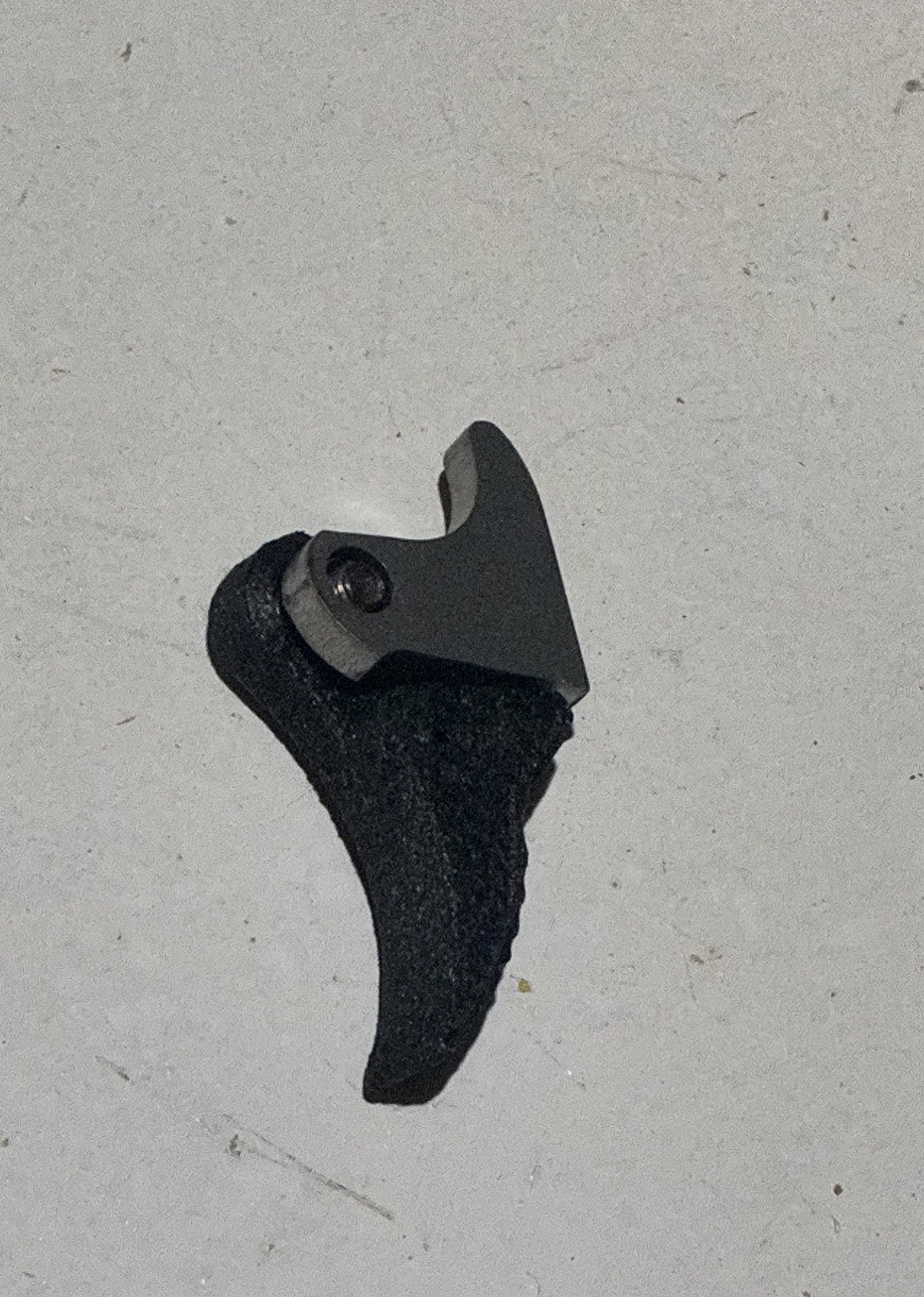
Interest in Glock FRT systems and forced reset trigger technology has exploded over the past few years as firearm enthusiasts continue exploring faster trigger reset systems and alternative trigger designs.
While most force reset trigger discussions originally centered around AR-platform rifles, more people have recently started searching for information related to Glock FRT concepts, Glock forced reset triggers, and similar reset-assisted handgun trigger systems.
At the same time, legal questions surrounding FRT devices continue evolving following multiple ATF rulings and federal court decisions.
This article breaks down what people generally mean when discussing Glock FRT triggers, how forced reset trigger systems work mechanically, and why the topic has become so widely debated.
What Is a Forced Reset Trigger?
A forced reset trigger, commonly abbreviated as FRT, is a trigger system designed to mechanically force the trigger forward into reset after a shot is fired.
In a standard semi-automatic firearm, the trigger resets naturally as the shooter releases rearward pressure. A force reset trigger instead uses mechanical energy from the action cycling to actively push the trigger back into the reset position.
The result is an extremely short and aggressive reset feel that can allow for very rapid follow-up shots while still technically operating within a semi-automatic firing cycle.
Most early FRT systems were developed for AR-style rifles, but interest in similar concepts for Glock-pattern pistols has continued growing online.
Is There a Glock FRT Trigger?
This is where a lot of confusion starts.
When people search terms like:
- “Glock FRT”
- “Glock forced reset trigger”
- “forced reset Glock trigger”
they may be referring to several different things:
- experimental trigger concepts,
- modified reset systems,
- competition-style trigger setups,
- or internet rumors surrounding future products.
Unlike AR-platform rifles, Glock pistols operate with a very different firing mechanism and internal geometry. That makes adapting true forced reset trigger systems to Glock platforms significantly more complex from both an engineering and safety standpoint.
As of 2026, discussions surrounding Glock FRT systems remain heavily debated online, and many products or concepts discussed on forums and social media may still be experimental, limited-run, or legally unclear depending on jurisdiction.
Why Glock Trigger Systems Are Popular for Modification
One reason Glock trigger discussions are so common is because Glock-pattern pistols are one of the largest aftermarket platforms in the firearm industry.
Popular upgrades include:
- trigger shoes,
- connectors,
- springs,
- trigger bars,
- reset modifications,
- and reduced pull-weight components.
Many Glock owners look for:
- shorter reset distance,
- crisper break feel,
- reduced creep,
- and faster follow-up shot capability.
That naturally leads to interest in more aggressive reset systems and discussions surrounding forced reset trigger concepts.
Legal Questions Surrounding Forced Reset Triggers
The legal landscape surrounding forced reset trigger systems has changed rapidly over the past several years.
The Bureau of Alcohol, Tobacco, Firearms and Explosives (ATF) previously classified certain FRT devices as machine guns under federal law, leading to enforcement actions, seizures, and lawsuits involving manufacturers and owners.
More recent federal court rulings and legal settlements significantly altered parts of that enforcement landscape, especially regarding AR-platform FRT systems.
However, firearm owners should understand that:
- federal rulings can change,
- state laws vary,
- and some jurisdictions independently regulate trigger systems and firearm modifications.
Anyone researching Glock FRT systems or forced reset trigger devices should carefully review current federal, state, and local law before purchasing or installing any aftermarket trigger components.
Mechanical and Safety Considerations
Regardless of legality, trigger modifications should always be approached carefully.
Extremely short reset systems or heavily modified trigger assemblies can introduce:
- reliability issues,
- light primer strikes,
- inconsistent reset,
- accidental doubling,
- or unsafe operation if improperly installed.
We’ve seen many situations where aggressive aftermarket trigger setups caused more reliability problems than improvements, especially when multiple aftermarket parts from different manufacturers were mixed together.
A properly functioning trigger system should prioritize:
- reliability,
- safe reset,
- consistent engagement,
- and proper function testing after installation.
Why the Topic Continues Growing
Search interest surrounding Glock forced reset trigger systems continues increasing largely because of:
- viral videos,
- social media discussions,
- legal news coverage,
- and ongoing debates involving firearm accessory regulation.
As newer trigger technologies continue emerging, discussions surrounding FRT systems, reset-assisted triggers, and advanced trigger designs are likely to remain a major topic within the firearm community.
Final Thoughts
Glock FRT discussions sit at the intersection of firearm engineering, aftermarket customization, and rapidly evolving firearm law.
While many online discussions focus on speed and trigger feel, the bigger conversation often revolves around mechanical design, safety, reliability, and legal classification.
As with any firearm modification, careful research and responsible installation practices remain important.
For more firearm-related guides, technical discussions, and industry updates, visit https://freedomindustrialworks.com
Explore more technical content and product updates here: