
Intro
Force reset triggers (commonly called FRT triggers) have remained one of the most discussed firearm accessories in recent years, especially following multiple federal court cases and changes in ATF enforcement positions.
For firearm owners trying to keep up with the legal status of force reset AR triggers, the situation has changed several times over the past few years and continues to evolve.
This article provides a general overview of the current landscape surrounding FRT triggers, recent ATF actions, and major court rulings that have shaped the discussion.
What Is a Force Reset Trigger?
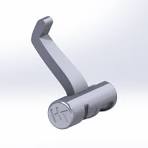
A force reset trigger is an aftermarket trigger system designed to mechanically force the trigger forward into reset after each shot. Unlike a traditional fully automatic firearm, the trigger still moves and resets between shots.
These devices became especially popular on AR-platform rifles because they allow for extremely fast follow-up shots while still operating within a semi-automatic firing cycle.
The distinction between a semi-automatic trigger reset and a federally regulated machine gun became the center of multiple legal disputes between manufacturers, firearm owners, and the federal government.
ATF Classification and Enforcement
In 2021 and 2022, the Bureau of Alcohol, Tobacco, Firearms and Explosives (ATF) began classifying certain force reset triggers as machine guns under federal law.
The ATF argued that some FRT devices effectively allowed continuous firing with a single pull of the trigger, placing them under the National Firearms Act machine gun definition.
That classification led to:
- cease-and-desist letters,
- seizures,
- enforcement actions,
- and multiple lawsuits involving manufacturers and owners.
Federal Court Decisions
A major turning point came in 2024 when a federal judge in Texas ruled that the ATF exceeded its authority when classifying certain forced reset triggers as machine guns.
The ruling referenced broader Supreme Court decisions involving agency authority and firearm accessory classifications, including cases involving bump stocks and administrative interpretation of federal statutes.
Following additional litigation, the Department of Justice announced a settlement in 2025 involving Rare Breed Triggers and related cases.
As part of that settlement:
- some previously seized FRT devices were returned,
- federal enforcement positions changed,
- and certain force reset triggers returned to the market under specific conditions.
Is a Force Reset Trigger Legal?
This is where things become complicated.
As of 2026, the federal government’s position surrounding force reset triggers has shifted significantly compared to earlier ATF enforcement efforts.
However:
- state laws still vary,
- litigation is ongoing,
- and some states independently prohibit FRT-style devices regardless of federal policy.
Anyone researching force reset AR trigger legality should carefully review:
- current federal guidance,
- state law,
- local restrictions,
- and any newly issued court decisions.
Why the Debate Matters
The debate over FRT triggers goes beyond one specific accessory.
The larger legal questions involve:
- how federal agencies interpret firearm law,
- how courts define “machine gun,”
- and how much authority agencies have to reinterpret existing statutes without congressional action.
Those issues continue to affect discussions involving:
- bump stocks,
- pistol braces,
- forced reset triggers,
- and other firearm accessories.
We’ve had a surprising number of customers ask whether FRT triggers are currently legal, which is understandable considering how quickly the legal landscape has changed over the past few years.
Ongoing Litigation and Future Changes
Multiple lawsuits and legal challenges surrounding FRT triggers are still active, and additional rulings could further change the legal landscape.
Because of that, anyone following the issue should avoid relying on outdated information or social media rumors alone.
Court rulings, ATF guidance, and state-level legislation can change quickly.
Final Thoughts
Force reset AR triggers remain one of the most legally debated firearm accessories currently on the market.
While recent court rulings and federal settlements significantly changed the regulatory landscape, the broader legal discussion surrounding FRT devices is still evolving.
For firearm owners, builders, and enthusiasts, staying informed on both federal and state law remains important as additional cases move through the courts.
For more firearm-related guides, technical discussions, and industry updates, visit https://freedomindustrialworks.com
You can also explore our growing collection of firearm accessories and technical content at: